Powered by: 

START HERE

adminMariano

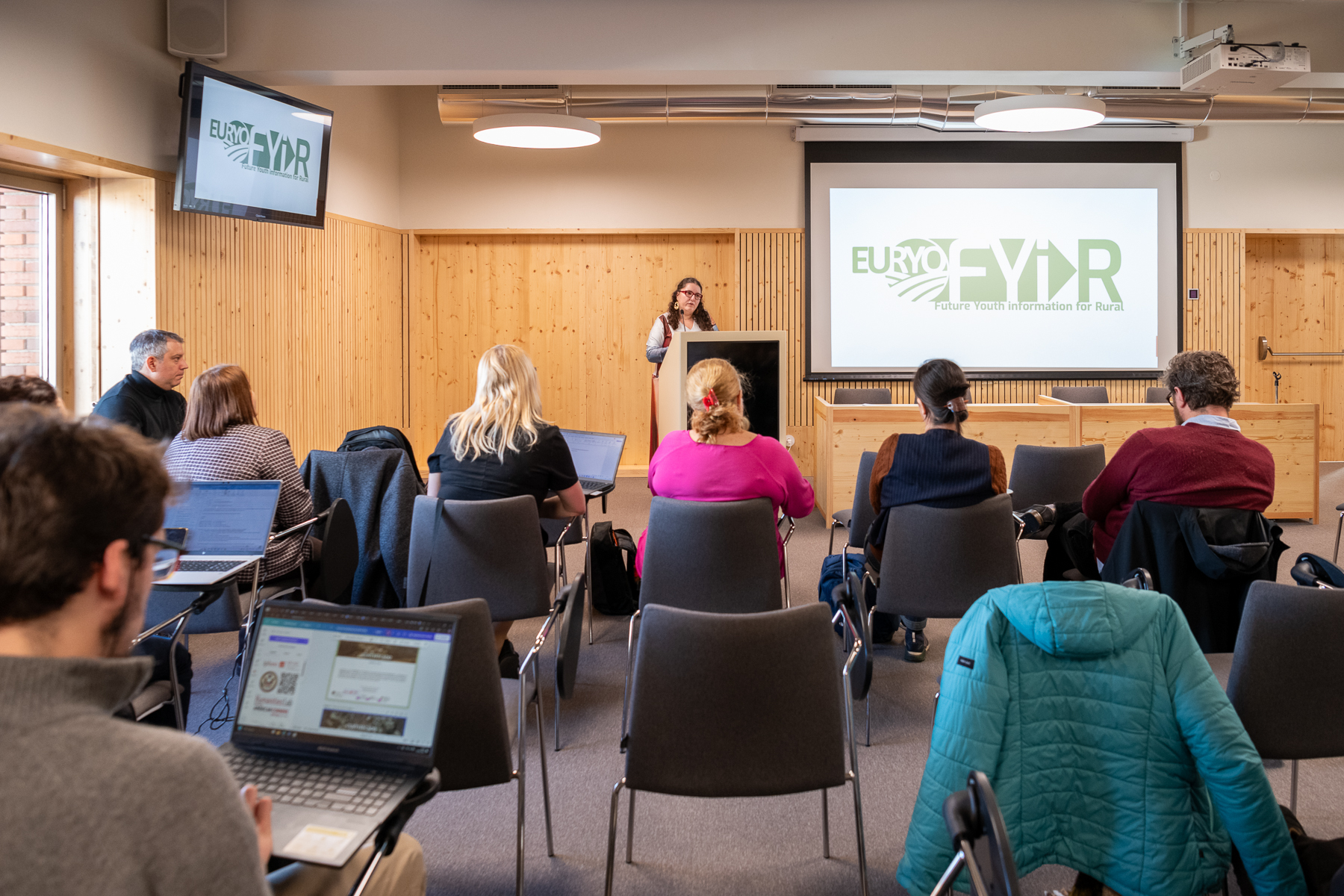
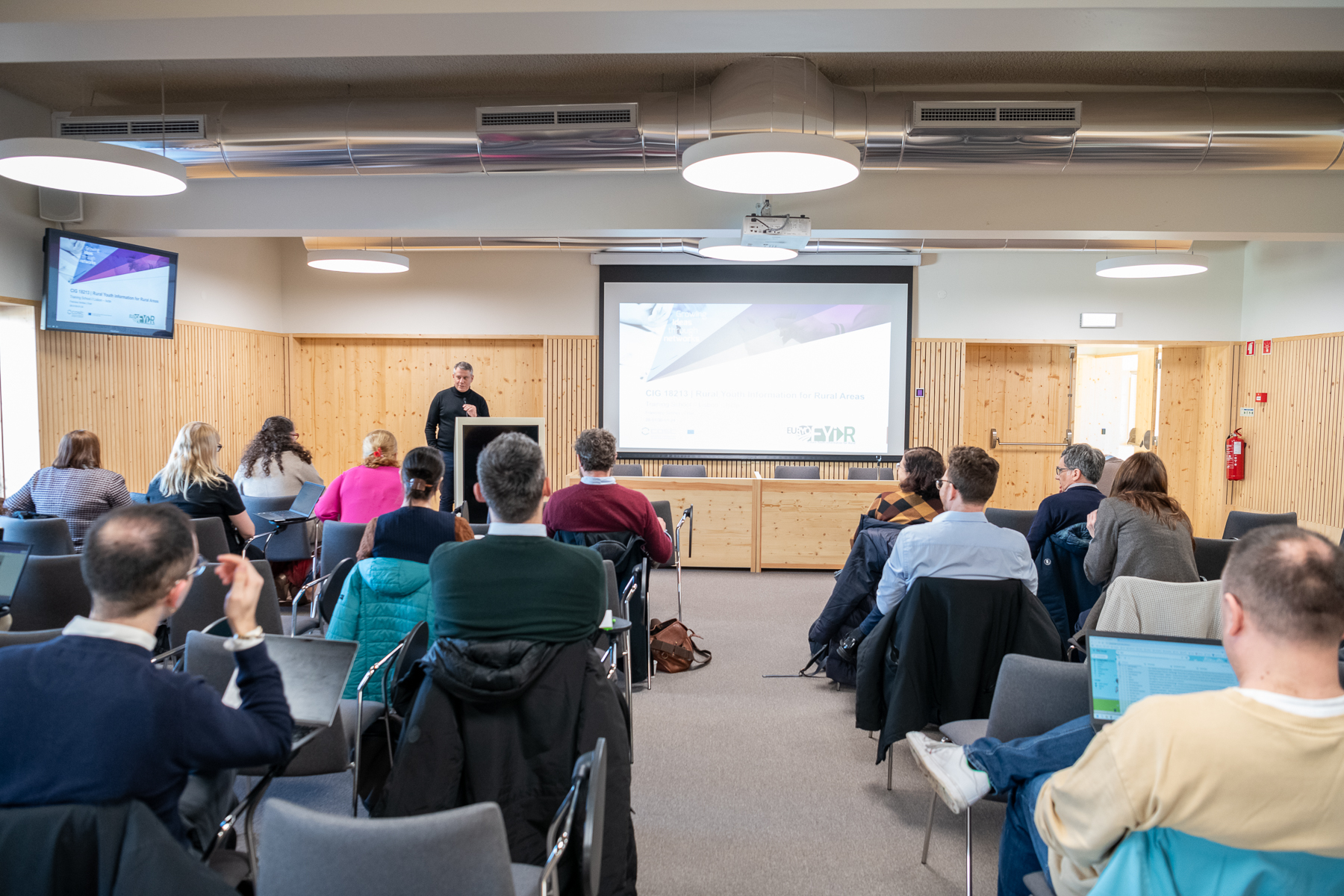
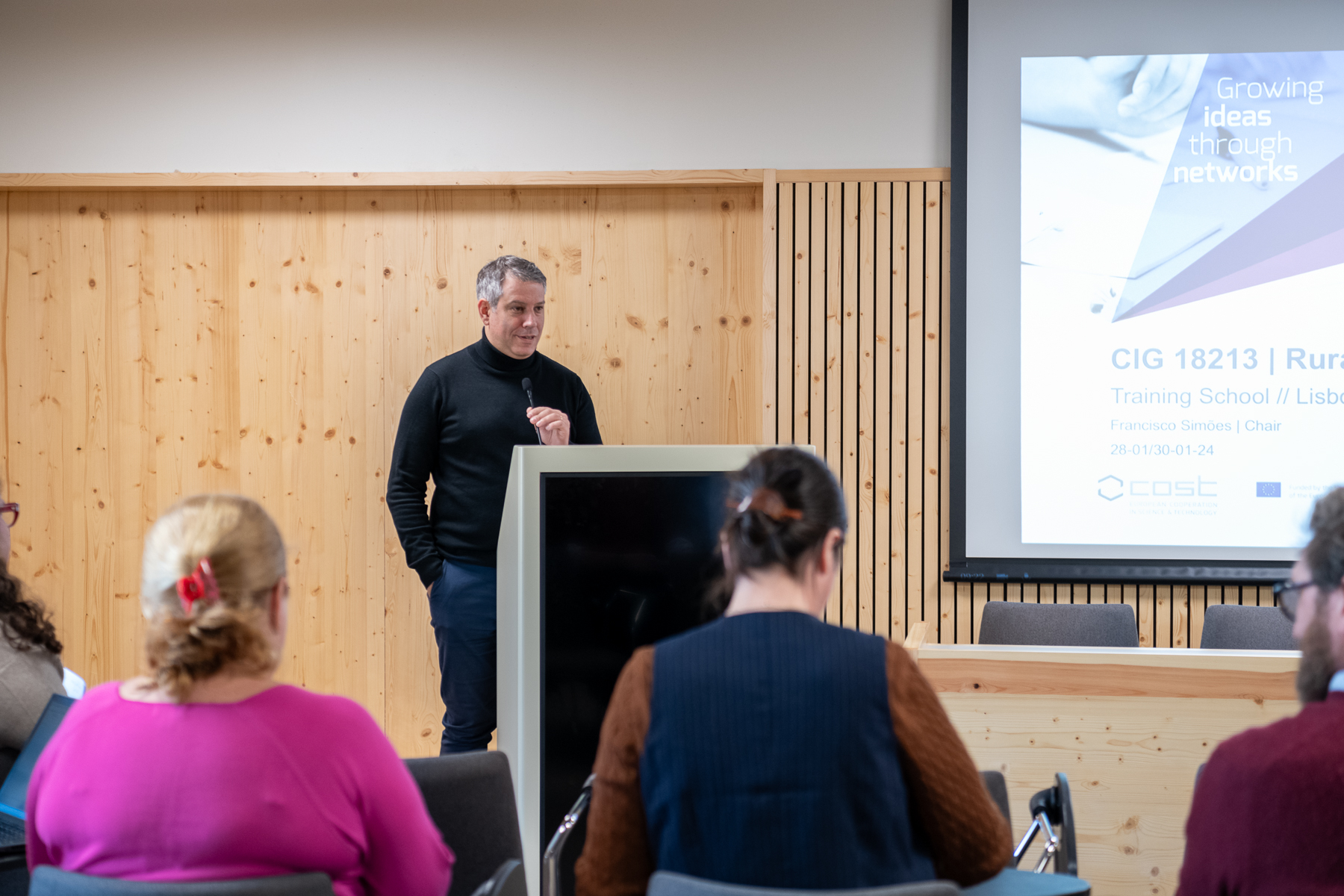
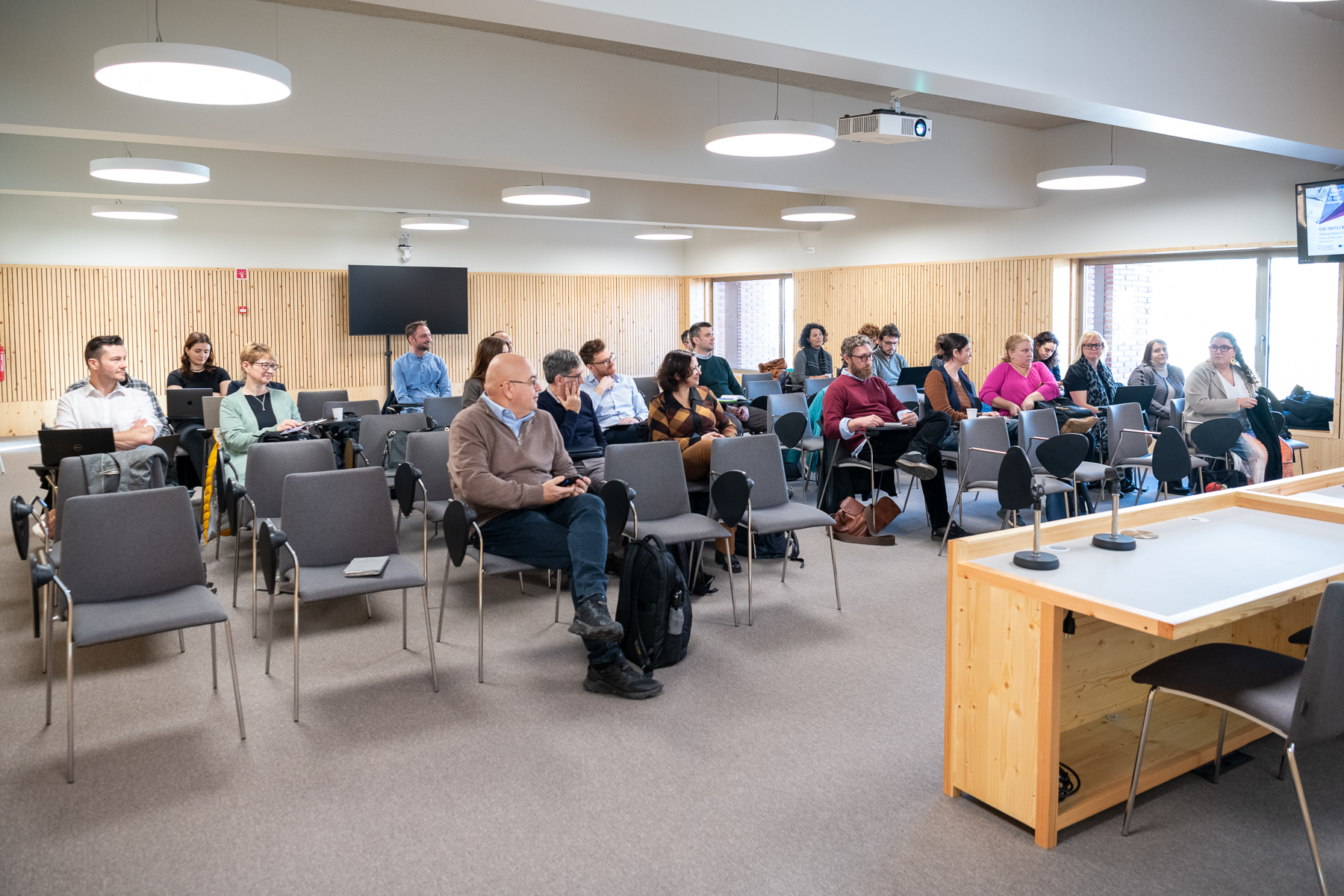
FYiR tool was presented in a EURYO roadshow in Brussels

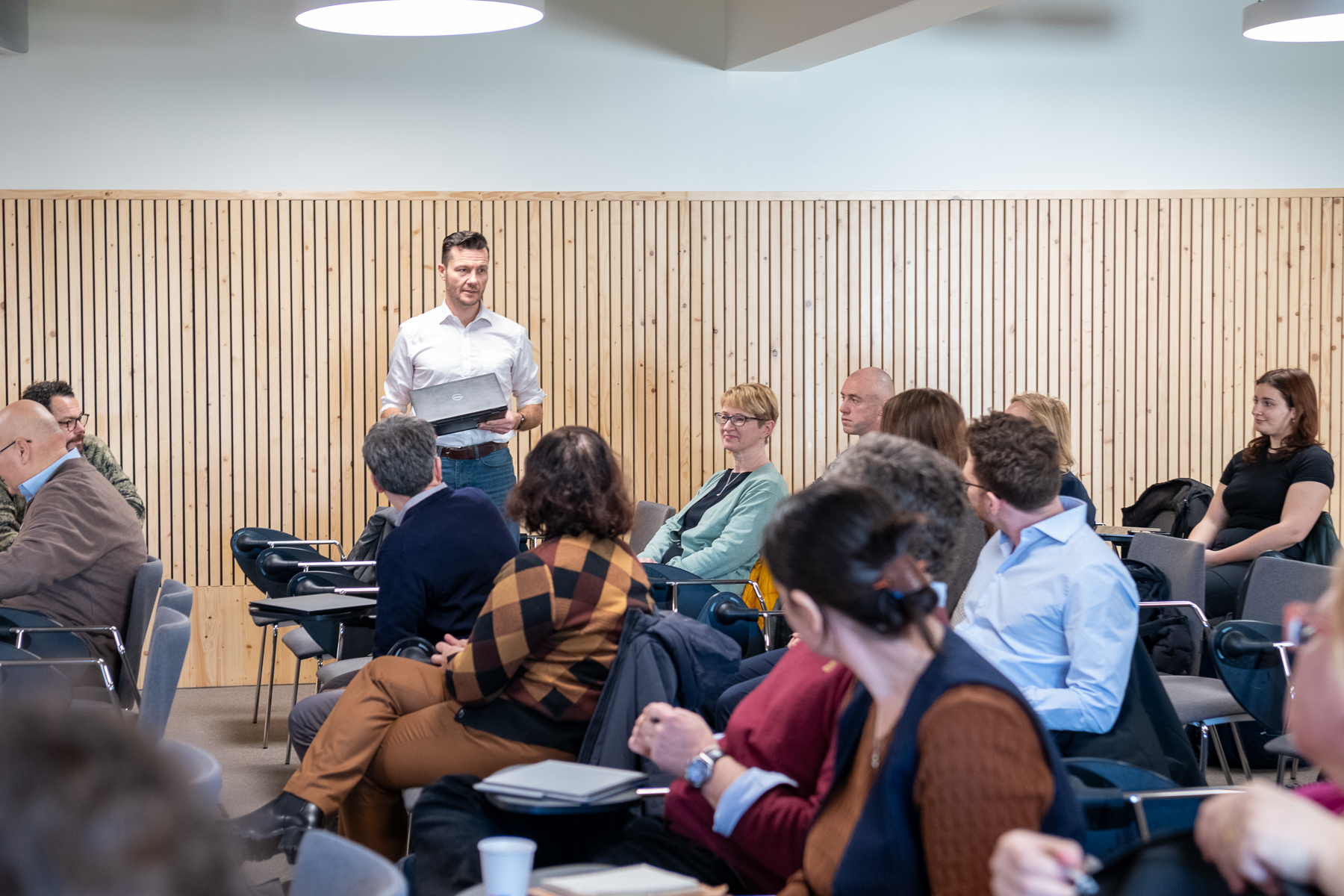
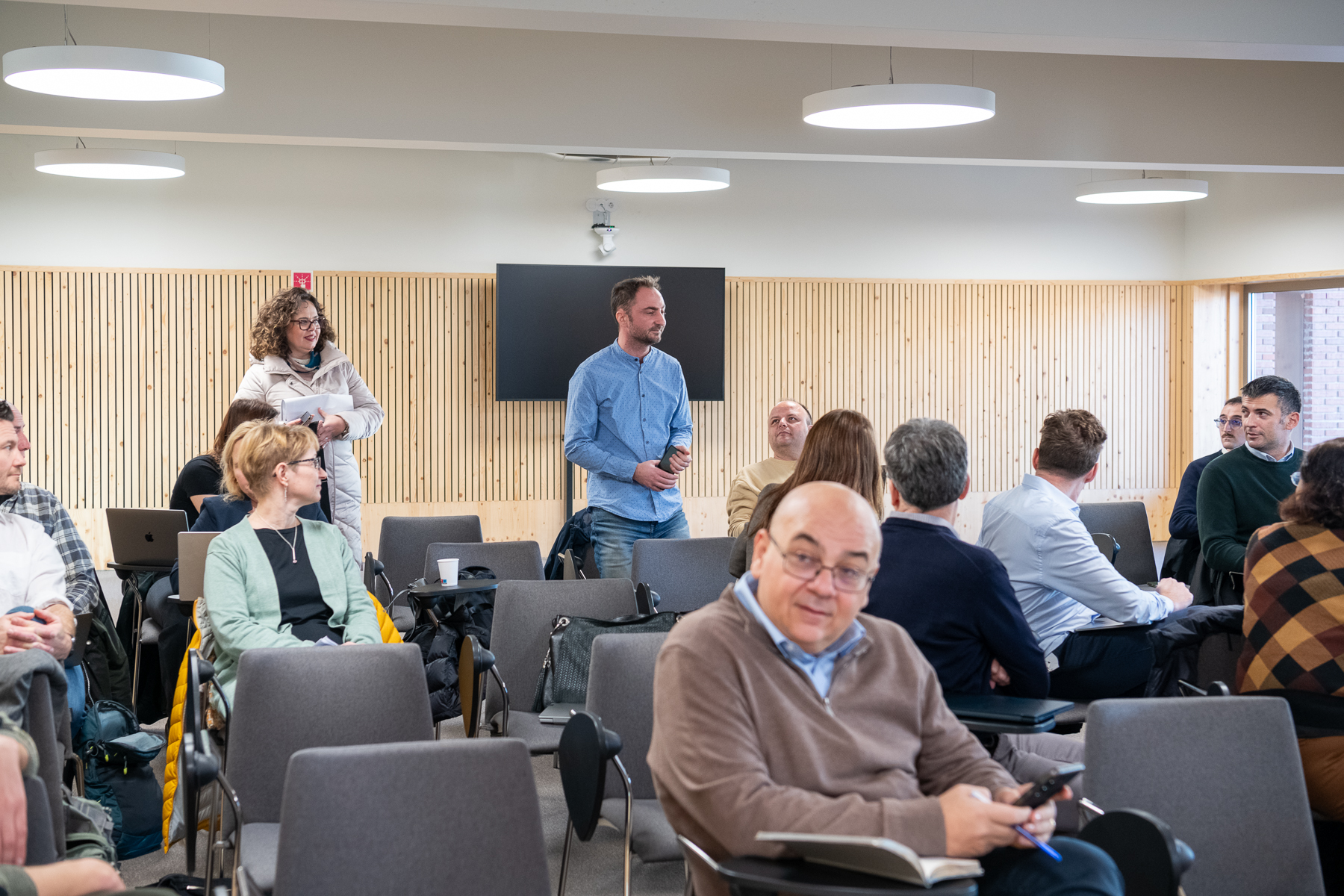
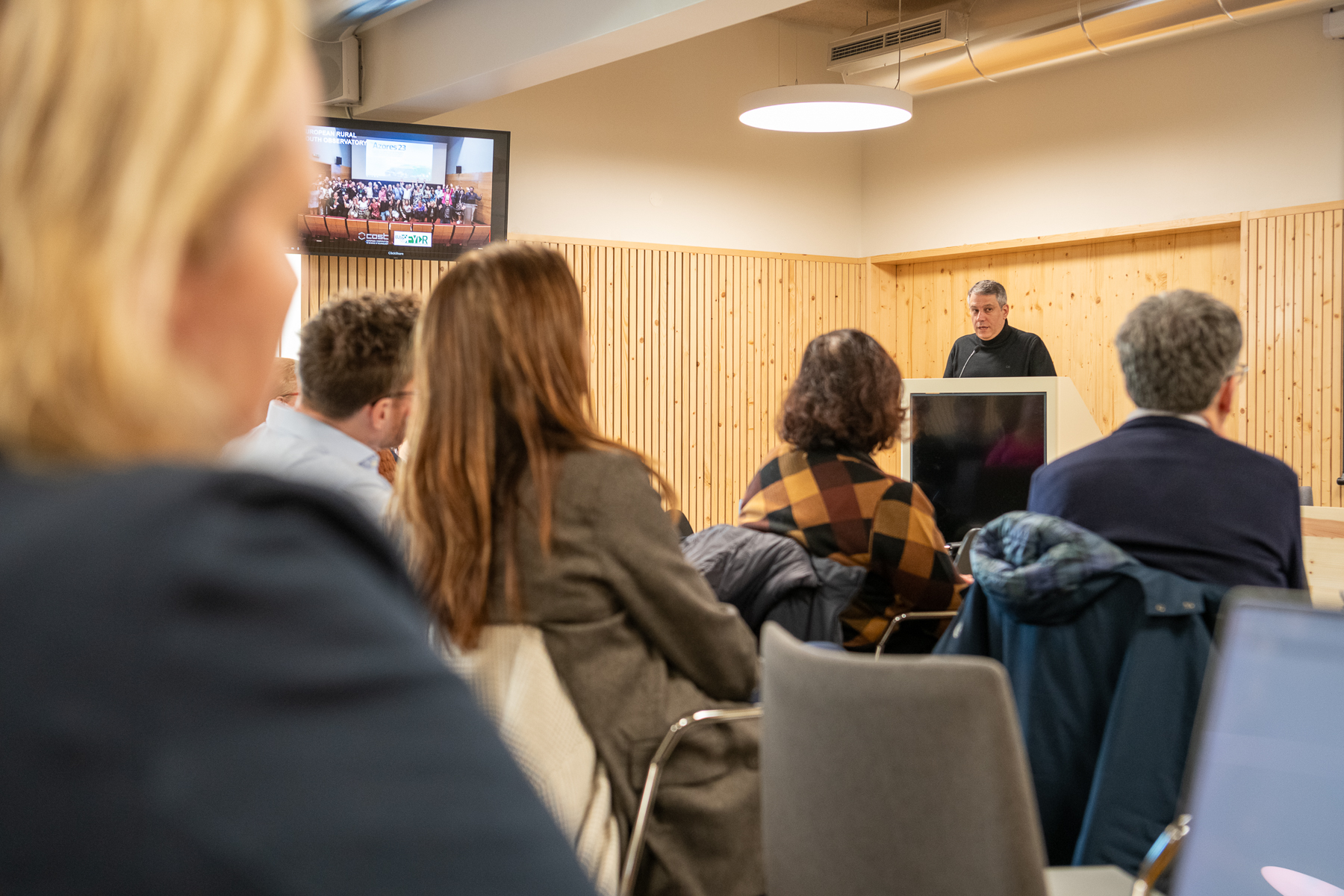
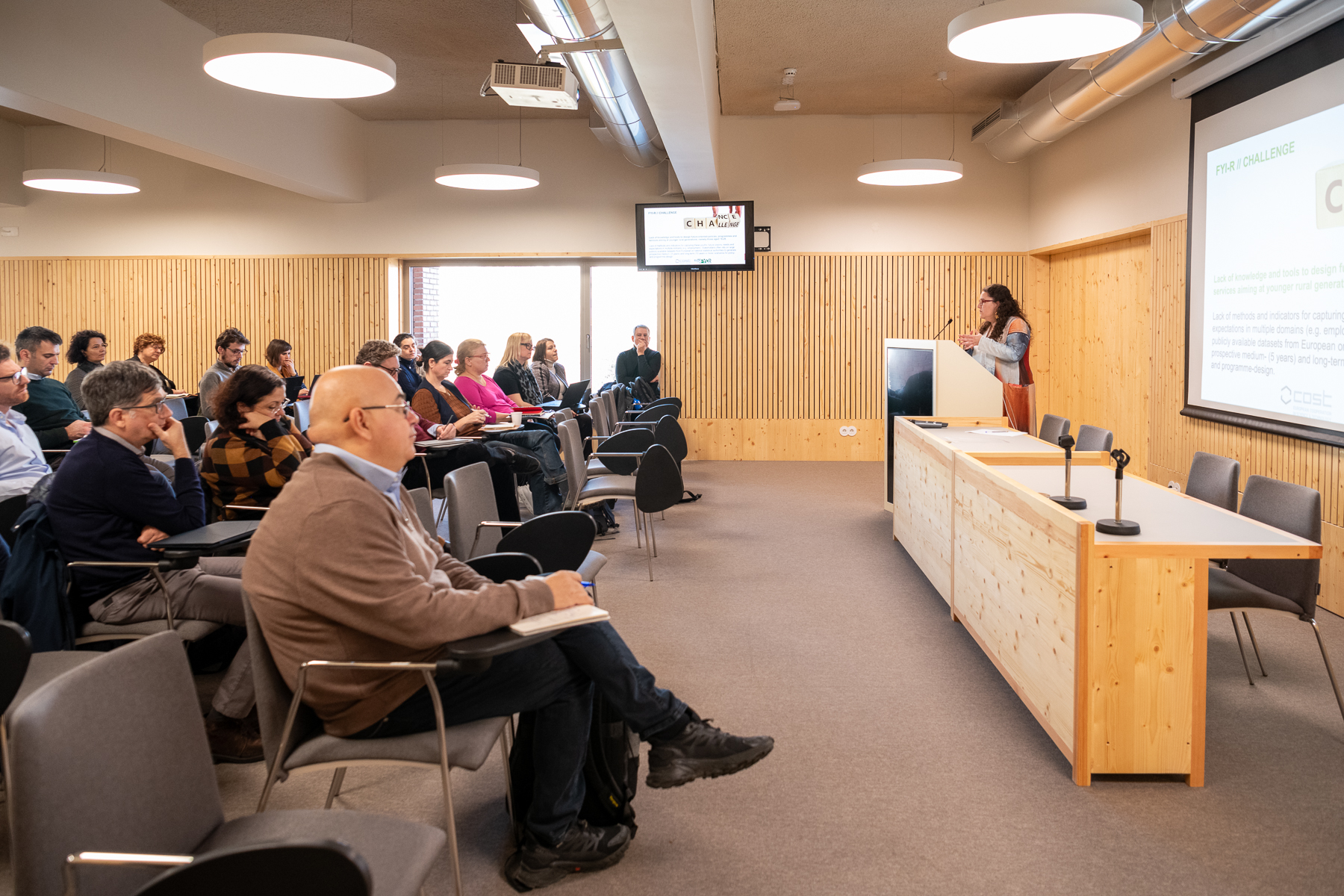
On October 22nd, we conducted a workshop at the Sofitel Brussels Europe about rural youth policy innovation as the European Rural Youth Observatory (EURYO) convened an international workshop to present and refine the FYI-R toolbox—an evidence-based foresight instrument designed to support policy development for rural youth aged 15–29 across Europe and beyond.

Funded by the European Commission through COST Action CIG 18213, the FYI-R initiative draws on locally collected data to inform strategic decisions in four core areas: mobilities, education, employment, and entrepreneurship. The Brussels workshop marked the public release of the toolbox’s first version and invited critical feedback from stakeholders and experts.

The session opened with a welcoming note from Francisco Simões, Chair of EURYO and CIG 18213, followed by an overview of EURYO’s vision and the FYI-R 2.0 roadmap, co-presented with Vice-Chair Tatiana Ferreira. A highlight of the morning was the live simulation of the toolbox by Mariano Soler, Vice-Chair of EURYO, showcasing its practical application and adaptability.

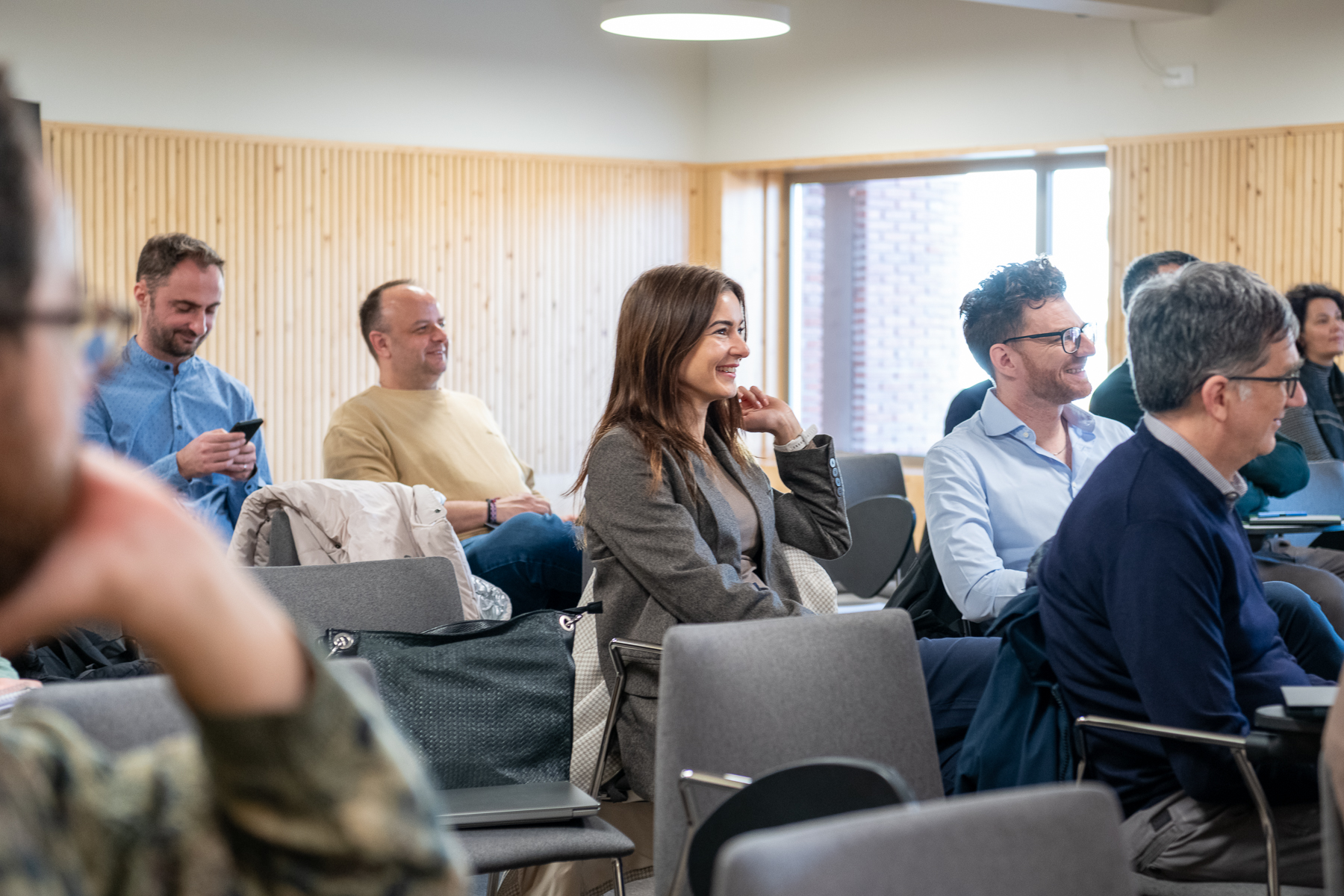
Participants engaged in a plenary discussion facilitated by Simões, offering reflections and recommendations to enhance the toolbox’s relevance and usability. The workshop concluded with a preview of EURYO’s upcoming activities and next steps for FYI-R deployment at national and European levels.

This event reaffirmed EURYO’s commitment to empowering rural youth through participatory, data-driven policy tools and international collaboration.
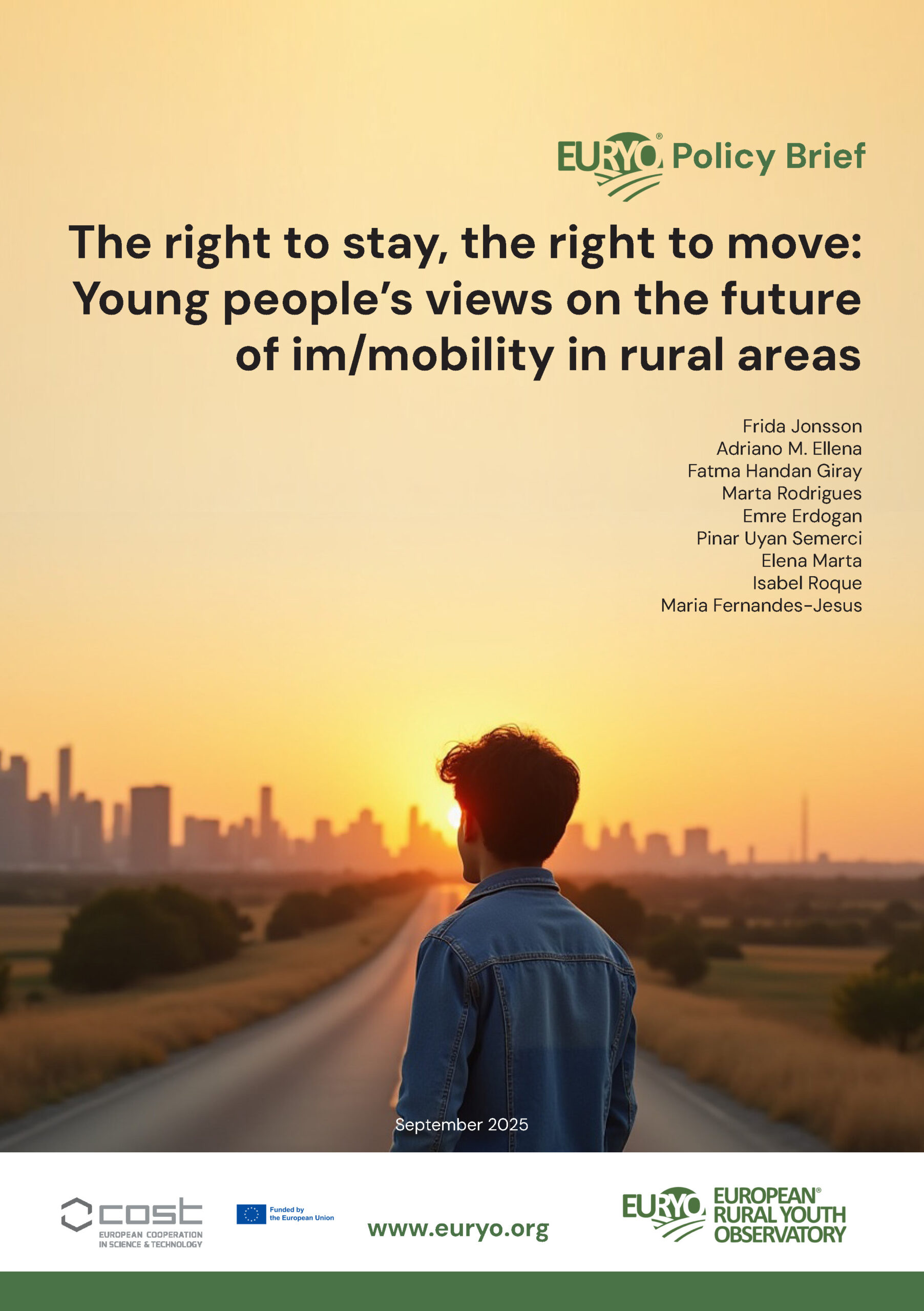
Policy Brief, based on the FYi-R published: “The right to stay, the right to move: Young people’s views on the future of im/mobility in rural areas”

EURYO first policy brief, based on the experience of the FYi-R project, sheds light on how young people across Europe envision the future of mobility and immobility—referred to collectively as im/mobility—in rural areas. Through participatory workshops held in Italy, Portugal, Sweden, and Türkiye between April and May 2025, 64 young participants shared their perspectives on what it means to leave, stay in, or return to rural communities. The findings reveal a shared desire for rural areas to become more responsive to youth needs, aspirations, and identities. Im/mobility was not seen as a binary choice but as a fluid, self-directed process shaped by personal agency and constrained by structural factors. Participants emphasised that the ability to move or remain should be recognised as a social right. In Italy and Türkiye, discussions also highlighted the influence of gender roles, family expectations, and traditional values on future mobility decisions. Based on these insights, the brief outlines three key recommendations. First, it calls for a reframing of im/mobility in research and policy as a continuum of rights rather than a fixed condition. Second, it stresses the importance of addressing structural barriers—such as limited access to education, employment, housing, and affordable living—as prerequisites for meaningful mobility choices. Third, it advocates for youth-led policy development, encouraging rural young people to actively participate in shaping interventions that reflect their lived realities and future aspirations. This youth-centred approach to rural im/mobility offers a compelling framework for more inclusive and responsive policymaking across Europe.

3-day workshop held in Cremona (Italy)

The FYI-R Workshop, hosted at Università Cattolica del Sacro Cuore in Cremona, brought together leading voices from across Europe to explore the future of youth information in rural areas.

The event opened with welcoming remarks from Elena Marta and Adriano Ellena, setting the tone for two days of collaborative dialogue and strategic planning. A joint session led by Francisco Simões, Chair of EURYO and of the CIG Future Youth Information for Rural Areas, introduced the vision and ambition of the EURYO initiative, followed by a presentation of preliminary findings from the FYI-R project. Simões was joined by Vice-Chairs Tatiana Ferreira and Mariano Soler, who offered insights into the early results and their implications.

Participants then engaged in small group discussions to reflect on the main findings, fostering a participatory atmosphere that continued throughout the workshop. A round-table session gathered feedback from youth and youth representatives, facilitated by Maria Fernandes Jesus and Paul Flynn, while a plenary debriefing on FYI-R dimensions was led by Claudia Petrescu and Alen Mujcinovic.

The theme of stakeholder engagement was explored in depth through a series of sessions on alternative futures, with methods for involving broader audiences and improving reporting practices. These discussions carried into the second day, culminating in a plenary session moderated by Simões. A highlight of the program was the presentation on policy engagement, featuring a case study from Spain by Òscar Prieto-Flores and Mariano Soler.

Their example served as inspiration for translating FYI-R findings into actionable recommendations for policymakers. The workshop concluded with a forward-looking session on next steps for the FYI-R initiative, again led by Simões and Ferreira, and a final meeting of the quality assurance team to consolidate insights and prepare for future deliverables. Throughout the event, the emphasis remained on collaboration, youth empowerment, and the strategic development of rural information systems across Europe.

3-day training school held in Lisbon

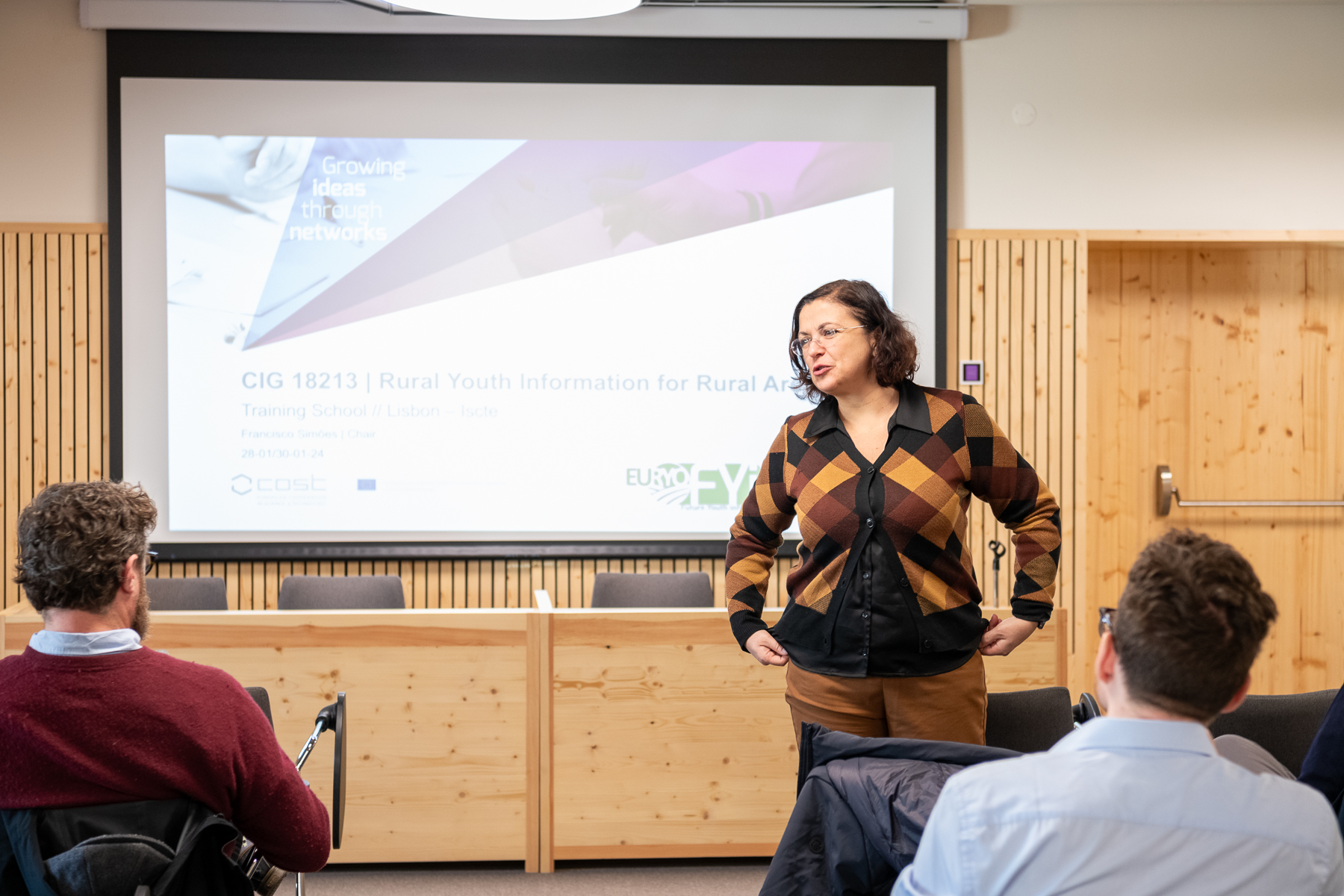
The kick-off training school for the FYI-R initiative, held at Iscte in Lisbon, marked a dynamic start to the collaborative development of youth information strategies for rural areas.

The event opened with an overview of the Rural NEET Youth Network and the CIG proposal, presented by Francisco Simões and Tatiana Ferreira, outlining the goals, methods, and expected outcomes of the initiative. Participants were introduced to foresight and forecasting methodologies through a series of expert-led sessions.

Kai Ilchmann from the University of Sussex provided foundational insights into foresight methods, followed by a presentation of the Lead ResLab approach from Pasi Hario and Raija Kaljunen of Laurea University.

Antonella Rocca and Giovanni De Luca from Parthenope University demonstrated forecasting techniques, which led into a round-table discussion on the challenges and opportunities of applying these methods to rural youth contexts. The afternoon focused on designing the FYI-R toolbox through small group discussions, which continued into the following day.

A plenary session gathered collective input, followed by critical feedback from a panel of experts. The program then shifted toward co-development strategies, with Maria Fernandes-Jesus and Frida Jonsson presenting the WG1 model, and Paul Flynn contributing additional perspectives on co-design approaches.

The final day centered on consolidating the co-design methodology through collaborative activities and plenary discussion. The training school concluded with a strategic wrap-up of the CIG implementation timeline and a dedicated meeting of the EURYO specialized committee.

Throughout the three-day event, the emphasis remained on participatory design, methodological rigor, and cross-national collaboration to shape the future of youth information in rural Europe.

Empowering Rural Youth: Introducing the Future Youth Information Toolbox (FYI-R)

As rural regions across Europe undergo rapid transformation, young people aged 18 to 29 find themselves navigating a complex terrain of limited opportunities and systemic challenges. In response to this evolving landscape, the Future Youth Information for Rural Areas (FYI-R) toolbox emerges as a strategic solution aimed at equipping stakeholders with the insights and methodologies needed to support rural youth effectively.

The FYI-R initiative addresses critical issues such as employment shortages, underfunded social services, and restricted access to education and training. By integrating strategic foresight and co-production methods, the toolbox enables policymakers, educators, and community leaders to anticipate future needs, ground decisions in lived experiences, and apply evidence-based approaches to youth development.

Designed with versatility and inclusivity in mind, the FYI-R toolbox combines digital and in-person formats, ensuring accessibility and contextual relevance through national contact points. Its visionary framework encourages stakeholders to move beyond narratives of decline and instead explore multiple future scenarios for rural revitalization.

The co-produced nature of the toolbox ensures that diverse perspectives—from youth to institutional actors—are embedded in its design and application. To maximize its impact, stakeholders are encouraged to engage directly with young people through participatory forums, analyze regional data to identify trends, and collaborate across sectors to enrich the decision-making process. More than a technical resource, the FYI-R toolbox represents a collective commitment to transforming rural youth challenges into opportunities for sustainable growth and empowerment.
Scroll to Top