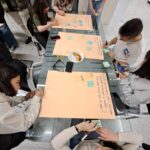
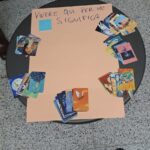
The FYI-R workshop, supported by Informagiovani Cremona, highlighted the complex relationship young people have with their hometowns and the broader question of belonging.
Informagiovani’s work — spanning education, employment, volunteering, and international mobility — serves as a cornerstone for youth engagement in the province of Cremona. Its initiatives, such as the Talent Hub and Job Weeks, not only enhance employability but also foster active citizenship and community participation.
Participants in the workshop expressed a desire for mobility that is purposeful and reversible — leaving to grow, but returning to contribute. Staying is seen not as stagnation but as a commitment to community, though often hindered by a lack of support and opportunity. Many wish to reclaim abandoned spaces and launch creative projects, yet face bureaucratic obstacles and limited resources.
The absence of youth-specific spaces and cultural offerings contributes to a sense of isolation and irrelevance, with some describing their towns as places where “nobody listens to young people.” Social inclusion is deeply tied to infrastructure and recognition.
To stay, youth need reliable public transport, local jobs in meaningful sectors, and accessible platforms to express ideas and build initiatives.
To leave, they seek non-judgmental support, clear information, and transitional services like shared housing and scholarships.
Crucially, many feel their choices are constrained by external forces—politics, economics, family expectations—undermining their sense of agency. Symbols used during the workshop, such as staircases leading nowhere or arrows pointing to both “hope” and “resignation,” reflect the emotional tension between aspiration and resignation.
Informagiovani’s role in bridging this gap is vital. Promoting youth participation, reducing bureaucratic barriers, and amplifying young voices, it can help transform small towns into inclusive spaces where young people feel empowered to stay, engage, and shape their futures.
Informagiovani’s work — spanning education, employment, volunteering, and international mobility — serves as a cornerstone for youth engagement in the province of Cremona. Its initiatives, such as the Talent Hub and Job Weeks, not only enhance employability but also foster active citizenship and community participation.
Participants in the workshop expressed a desire for mobility that is purposeful and reversible — leaving to grow, but returning to contribute. Staying is seen not as stagnation but as a commitment to community, though often hindered by a lack of support and opportunity. Many wish to reclaim abandoned spaces and launch creative projects, yet face bureaucratic obstacles and limited resources.
The absence of youth-specific spaces and cultural offerings contributes to a sense of isolation and irrelevance, with some describing their towns as places where “nobody listens to young people.” Social inclusion is deeply tied to infrastructure and recognition.
To stay, youth need reliable public transport, local jobs in meaningful sectors, and accessible platforms to express ideas and build initiatives.
To leave, they seek non-judgmental support, clear information, and transitional services like shared housing and scholarships.
Crucially, many feel their choices are constrained by external forces—politics, economics, family expectations—undermining their sense of agency. Symbols used during the workshop, such as staircases leading nowhere or arrows pointing to both “hope” and “resignation,” reflect the emotional tension between aspiration and resignation.
Informagiovani’s role in bridging this gap is vital. Promoting youth participation, reducing bureaucratic barriers, and amplifying young voices, it can help transform small towns into inclusive spaces where young people feel empowered to stay, engage, and shape their futures.