The Development Centre of Võru County, established in 2017, plays a central role in fostering balanced development in this rural Estonian region near the Latvian and Russian borders. As part of a national network of county development centres, it supports local municipalities in advancing education, youth work, wellbeing, and active citizenship. Through strategic initiatives aligned with Võru County’s Development Strategy 2035+, the Centre promotes both formal and non-formal education, offering courses in business competencies, public health, and civic engagement.
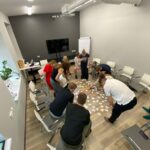
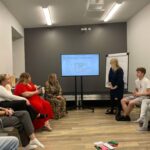
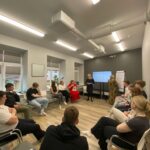
During the FYI-R workshop, young participants envisioned a future education system that is inclusive, flexible, and deeply human-centred. They called for a shift away from rigid, grade-driven models toward learning environments that nurture curiosity, personal growth, and emotional well-being. Education, in their view, should be a journey of self-discovery, not just a path to success.
They imagined teachers as empathetic mentors who co-create knowledge with students, using interactive methods and fostering diverse learning styles. Non-formal education was seen as essential to complement formal schooling, with youth centres, families, and community institutions forming holistic support networks. Technology, especially AI, was welcomed as a tool to personalise learning, though participants warned against its superficial use.
They emphasised the need for stronger mentorship for young teachers and more innovation in rural schools to bridge regional gaps. Challenges included the current test-focused system, lack of collaboration in curriculum design, and insufficient support for educators. Yet, youth remained optimistic, proposing reforms such as assessment based on feedback, expanded digital access, and greater societal respect for teachers.
Importantly, participants expressed no desire to leave their rural communities. Instead, they highlighted the need for meaningful education, public services, and job opportunities to feel empowered to stay. Education, they believe, should be the cornerstone of a vibrant, inclusive, and future-ready rural life.
During the FYI-R workshop, young participants envisioned a future education system that is inclusive, flexible, and deeply human-centred. They called for a shift away from rigid, grade-driven models toward learning environments that nurture curiosity, personal growth, and emotional well-being. Education, in their view, should be a journey of self-discovery, not just a path to success.
They imagined teachers as empathetic mentors who co-create knowledge with students, using interactive methods and fostering diverse learning styles. Non-formal education was seen as essential to complement formal schooling, with youth centres, families, and community institutions forming holistic support networks. Technology, especially AI, was welcomed as a tool to personalise learning, though participants warned against its superficial use.
They emphasised the need for stronger mentorship for young teachers and more innovation in rural schools to bridge regional gaps. Challenges included the current test-focused system, lack of collaboration in curriculum design, and insufficient support for educators. Yet, youth remained optimistic, proposing reforms such as assessment based on feedback, expanded digital access, and greater societal respect for teachers.
Importantly, participants expressed no desire to leave their rural communities. Instead, they highlighted the need for meaningful education, public services, and job opportunities to feel empowered to stay. Education, they believe, should be the cornerstone of a vibrant, inclusive, and future-ready rural life.