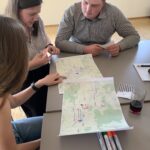
The entrepreneurship workshop in Asparn an der Zaya revealed a dynamic and forward-looking vision among young participants regarding the future of their region. Central to their ideas was the integration of digital transformation into everyday life, with autonomous services such as self-service shops and post offices replacing traditional models. While car ownership is expected to become nearly universal, youth foresee a revival of community-based mobility solutions, particularly for the elderly, which could open avenues for social enterprises.
A key driver of local entrepreneurship is the anticipated return migration trend, fueled by affordable housing and the desire for improved quality of life. This shift is seen as an opportunity to launch businesses rooted in sustainability, with green companies and eco-conscious models playing a pivotal role in the region’s economic future. Tourism also emerged as a promising sector, with visions of the Weinviertel evolving into a vibrant destination for hospitality, culture, and nature-based ventures.
Participants were drawn to the autonomy and flexibility entrepreneurship offers—being one’s own boss, managing time independently, and escaping rigid wage structures like the Austrian Kollektivvertrag. However, they also acknowledged significant barriers: lack of social protections, high startup costs, and the risk of financial failure. Entrepreneurship was seen as empowering but not equally accessible to all.
To foster inclusive entrepreneurial growth, the group proposed municipal support mechanisms such as open consultation services, mentorship programs, simplified bureaucratic guides, and faster funding approvals. These measures aim to reduce intimidation and encourage initiative.
Ultimately, the youth emphasized that infrastructure alone is insufficient; a cultural shift toward community engagement and shared responsibility is essential. Entrepreneurship, in their view, must be embedded in a broader ecosystem of support, sustainability, and social cohesion to truly thrive in rural regions like Asparn an der Zaya.